Showing posts with label emergency preparedness. Show all posts

August 16, 2023

Maui Wildfires: What would you do if you had toquickly flee your home?

"If you had to quickly flee your home and had just enough time to grab some important things, could you put your hands on vital financial documents? 

Climate change has put many people in the path of major natural disasters. Fires, floods, hurricanes and wind storms are devastating communities. The disaster in Hawaii is just the latest reminder to get our financial houses in order." 

Read:

How to protect your financial life from wildfires, extreme weather

By Michelle Singletary

https://www.washingtonpost.com/business/2023/08/11/protect-financial-life-extreme-weather/?template-name=%7B%7Bletter.config.name%7D%7D&utm_campaign=wp_personal_finance&utm_medium=email&utm_source=newsletter&wpisrc=nl_finance

As of mid-August 2023, "there had been 15 confirmed weather/climate disaster events in the United States this year with losses exceeding $1 billion each, according to the National Centers for Environmental Information. Damage from 2022 disasters totaled $165.1 billion."

"Get a safe that’s waterproof, fire-resistant and light enough to carry. Keep all your household’s important financial documents in this box, including your passport; insurance policies; extra checks; a copy of your driver’s license; your Social Security card (or at least write down the number); bank, investment and credit card account numbers; and key legal documents such as wills, marriage and birth certificates, and the titles to your home and vehicles." 

I keep these items in a credit union safe deposit box. Not sure what would be left if fire is as intense as the Maui fires. I read that one Maui couple kept thousands of dollars in a safe that was left behind. All that was left was ashes.

You should include some cash because ATMs may not be available or may not work.

"In addition to keeping your paperwork in a safe, make photocopies of your documents and place them in a safe-deposit box or give them to a trusted relative or friend who does not live in the same area you do."

"You can also back up your data to cloud-based services such as Google Drive or Apple’s iCloud. Be sure to consistently back up your data to the cloud."

"With your smartphone, take pictures of your big-screen televisions, computers, furniture, heirlooms, etc. You want proof of the expensive stuff you own."

"record a video of the items in your home. Record model and serial numbers. Then, of course, download it for safekeeping in the event you have to prove to an insurance company what items you lost in a disaster."Do this today.

Do you have sufficient insurance?

Call your insurance agent. Will your policy replace the full value of your possessions?

If you are at risk of flooding, check my blog posts on flood insurance. Keep in mind that many Americans live in areas subject to flood but NOT on federal flood maps. See blog posts on flooding. 

Earthquakes are NOT covered by HO insurance. See blog posts on earthquake insurance. 

The fastest-growing American cities are also some of the places with the worst climate-change effects

Finally,What are YOU doing to urge your members of congress to address the causes behind our changing climate. Check out the Citizens Climate Lobby: https://citizensclimatelobby.org/


March 23, 2020

How to build an emergency fund in the midst of an emergency

Now is not the time to stick your head in the sand and bemoan your situation! You are not alone.
National surveys by the Federal Reserve have found that many households would struggle to handle an unexpected $400 expense.

Writing for The New York Times, Ann Carrns provides this helpful advice from finance experts:
Even small cash cushions can help people stave off disaster. As little as $250 can significantly reduce the risk that a family will miss paying a utility bill or be evicted. “Each extra dollar saved” reduces the likelihood of having to skip bill payments.

First, try to estimate your expected future income. Talk with your employer but recognize the situation is changing rapidly.

Next, take stock of possible sources of cash and credit. Don't open new credit card accounts, but knowing the credit limit on each card you already use to get an idea of what you can draw on if needed.
Even though the federal tax filing deadline has been delayed, if you expect a tax refund, file now and use this money to start your emergency fund. (The average refund is about $3,000).

Scrutinize your spending, and cut where you can, even if you are still fully employed. Can you cancel subscriptions, switch to a less expensive cellphone plan for a few months or negotiate a lower rate on your internet? (My husband reduced our internet monthly charge from $69 to $40 this morning.)
Direct these savings to your emergency fund in an online savings account.

If your situation is dire, consider temporarily reducing contributions to your retirement account and redirecting the money to an emergency fund. A cut is better than stopping contributions entirely.

If you own a home, you could consider opening a home equity line of credit as a financial backstop.

Check with your employer to see if they offer emergency loans.

"Many companies allow hardship withdrawals or loans from 401(k) retirement plans, but doing so puts your long-term retirement savings at risk. Hardship withdrawals don’t have to be paid back but are taxable as income and may result in penalties. Loans aren’t taxable but must be repaid, and they can be risky because if you leave your employer you generally have to repay the loan quickly, said J. Michael Collins, director of the Center for Financial Security at the University of Wisconsin-Madison."

Check out the New York Times Money Hub blog post and other related posts. Search for other savings options on this searchable blog. 

Your Money: A Hub for Help During the Coronavirus Crisis (The New York Times)


"If your income has fallen or been cut off completely, we’re here to help. This guide will connect you to the basic information you’ll need to get through this, including on government benefits, free services and financial strategies."
By Ron Lieber and Tara Siegel Bernard


 Thanks to the new York Times for this excellent, timely, helpful advice!

March 11, 2020

Easy way to build an emergency fund

According to the IRS, around 72% of Americans received a refund on their taxes in 2019. This extra cash may be the largest check some people receive all year and can be a perfect opportunity to start—or grow—your emergency savings funds.
Learn how your tax return can kickstart your savings. The Consumer Financial Protection Bureau's guide walks you through some fast and easy ways to use your tax refund to increase your savings.
Watch the short video and read the CFPB Tax Guide
Sign up for the CFPB Savings Boot Camp, a six-step email course to help you on your savings journey.

Building an Emergency Fund: 
Setting up a dedicated savings or emergency fund is one essential way to protect yourself, and it’s one of the first steps you can take to start saving. By putting money aside—even a small amount—for these unplanned expenses, you’re able to recover quicker and get back on track towards reaching your larger savings goals.

https://www.consumerfinance.gov/start-small-save-up/an-essential-guide-to-building-an-emergency-fund/

https://www.consumerfinance.gov/start-small-save-up/how-to-use-your-tax-refund-to-build-your-emergency-funds/?utm_source=newsletter&utm_medium=email&utm_campaign=TaxTime_P&utm_content=March20

September 18, 2018

Cybercriminals target disaster victims

Due to climate change,  more Americans are experiencing extreme natural disasters. Ken Tysiac explains how cybercriminals are targeting these victims.
"Disaster victims, volunteers, and donors are likely to be interacting with unfamiliar people and organizations such as government entities, insurance companies, and not-for-profits, which cybercriminals may attempt to impersonate in 'phishing' attacks."
"Cybercriminals pretend to be reputable and legitimate sources as they contact victims or volunteers through emails, text messages, or phone calls in an effort to acquire personal information such as credit card and Social Security numbers."
"Cybercriminals may pose as charities following a natural disaster, pretending to solicit on behalf of victims in order to obtain credit card or bank account information." Stick to well-known national charities for your donations such as the Red Cross. Double check the charity and don't give cash.
Get the full details at:
https://www.journalofaccountancy.com/news/2018/sep/cyber-criminals-prey-on-natural-disaster-victims-201819720.html?utm_source=mnl:cpald&utm_medium=email&utm_campaign=17Sep2018

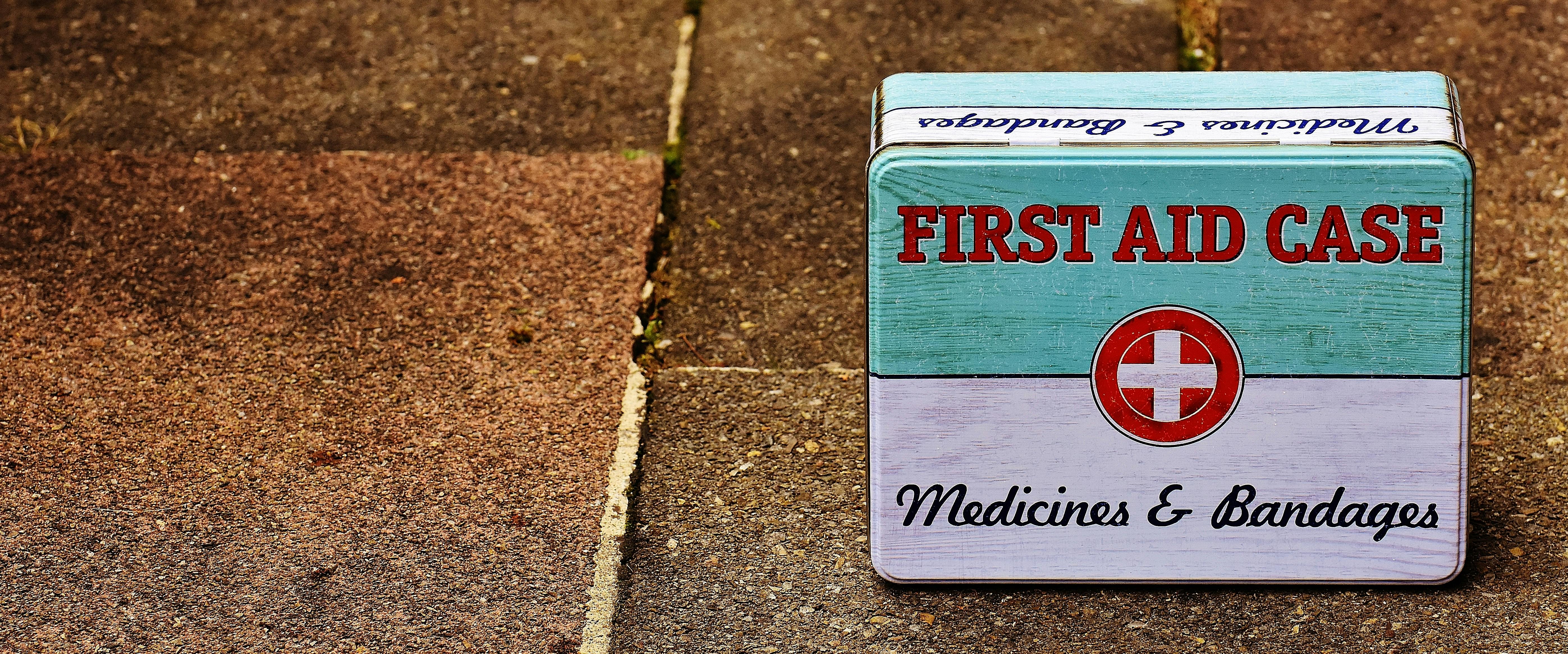
Financial Emergency Kit


Whether a hurricane, flood, earthquake or wildfire, we all need a financial emergency kit. FINRA provides detailed information on how to compile a financial emergency kit and what you need to put in it. Here is a summary. For details, check: http://www.finra.org/investors/highlights/hurricanes-lock-down-your-financial-emergency-kit?utm_source=MM&utm_medium=email&utm_campaign=S%5FAI%5F091818%5FFINAL

Kit Essentials


1. Cash and keys. Your kit should contain enough cash for daily life for a few days.
Tip: You can put a credit card in your kit for good measure, but don't depend on it.
2. Contacts. Create a list with telephone numbers, emails or other contact information that includes family members, as well as key medical, financial and business contacts.
3. Personal identification. After a disaster strikes, you may have to confirm your identity to obtain disaster relief services, file insurance claims, or get access to your property and financial assets.
Tip: Check your financial account information periodically to ensure that your financial professional will be able to contact you in case of a disaster.
4. Paper or electronic copies of important financial records. mortgages, property deeds, legal documents such as a Power of Attorney and insurance policies. financial statements for bank accounts, credit cards, brokerage accounts and statements related to investment.
Tip: Get information about how to keep your tax records safe from the IRS's helpful resource Prepare for Hurricanes, Natural Disasters by Safeguarding Tax Records.
5. An inventory of your valuables and personal belongings.
Tip: Understand what your insurance covers and what will be required to make a claim in the event disaster strikes.

Do it today! Don't forget passwords to access online account!

November 30, 2017

Financial Emergency Kit

The disasters related to our changing climate (hurricanes, floods, wildfires) are a reminder of the need for a financial
emergency kit. FINRA provides a detailed list of what to include:


1. Cash and keys. Cash is king in most emergencies since you may not be able to access ATMs or other electronic forms of payment. Also pack a set of essential keys (including a spare to a safe deposit box, if you have one). Tip: You can put a credit card in your kit for good measure, but don't depend on it.
2. Contacts. telephone numbers, emails or other contact information for family members, and medical, financial and business contacts. Store electronically & have a paper copy in your kit.
3. Personal identification. You may have to confirm your identity to obtain disaster relief services, file insurance claims, or get access to your property and financial assets. Include copies of passports, driver's licenses, Medicare and Social Security cards.
4. Paper or electronic copies of important financial records. A short list of financial documents to put in your kit includes mortgages, property deeds, legal documents such as a Power of Attorney and insurance policies. Also include recent financial statements for bank accounts, credit cards, brokerage accounts and statements related to investments that might be held outside a brokerage firm. A password-protected flash drive or file might be safer (and lighter) than hard copies—as long as you have a way to access the files.
5. An inventory of your valuables and personal belongings. This will help you maximize the benefit from your insurance policies and will expedite the claims process. Tip: Understand what your insurance covers and what will be required to make a claim in the event disaster strikes.


Get the details at: http://www.finra.org/investors/highlights/disaster-planning-5-things-financial-emergency-kit?utm_source=MM&utm_medium=email&utm_campaign=AI%5F090517%5FFINAL

April 13, 2016

Disasters and financial planning A guide for planning and recovery

Learn how to prepare for the unexpected and how to deal with the consequences with this website:

Disasters and financial planning: A guide for planning and recovery
http://www.redcross.org/images/MEDIA_CustomProductCatalog/m52040082_DisastersandFinancialPlanningGuide_FINAL.pdf
Armageddon Online - Natural Disaster Scenarios

September 7, 2011

Grab & Go Box for disaster preparedness

The east coast hurricanes and Texas wildfires remind us that we are all vulnerable to natural disasters. Here is Utah we live under the threat of a devastating earthquake. If you live in an area prone to natural disasters (who doesn't??) that could require evacuation, consider creating a grab-and-go box

Use a durable, sealed waterproof box or backpack. Put in copies of everything that is in your emergency file, and add other important papers:  (http://www.extension.org/pages/26403/grab-and-go-box

Note that the list calls for COPIES of important documents. The originals should be kept in a safe deposit box at a financial institution.
Financial Planning for Women does not sell, rent, loan, lease or otherwise provide any personal information collected at our site to any third parties.