Showing posts with label disaster planning. Show all posts

December 28, 2023

Utahns: Find out which natural disasters your county faces

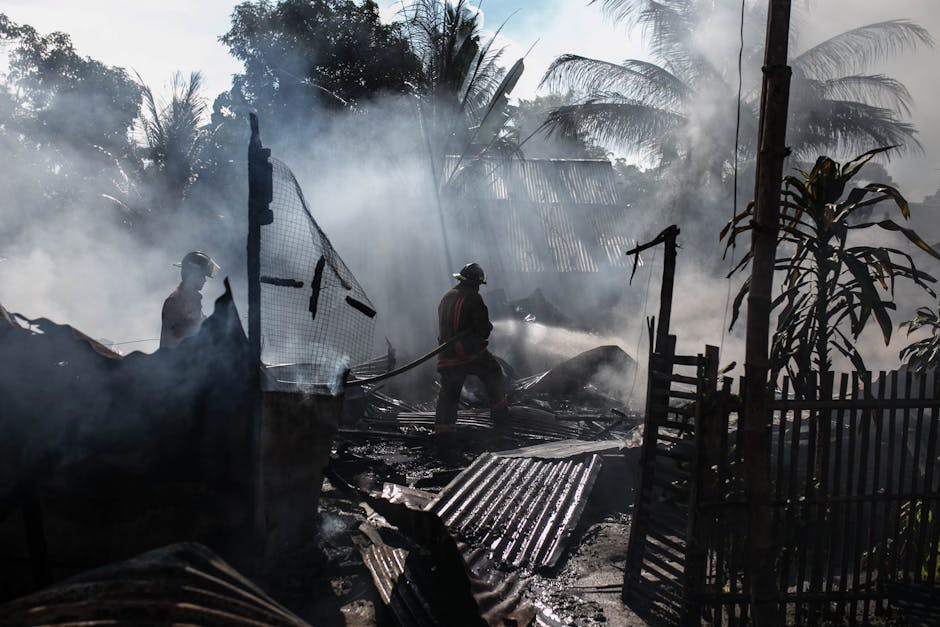
Homeowners insurance is growing more expensive or hard to find because of natural disasters. The Salt Lake Tribune breaks down which counties have the highest risk for some of the havoc. 

"As wildfires, floods and other natural disasters wreak havoc across the country, insurers are raising premiums or pulling out of some markets altogether because of the risk" writes Megan Banta for The Salt Lake Tribune.

Wonder why your Homeowners insurance had increased substantially for the past couple of years? 

"Premiums increased an average of 21% from May 2022 to May 2023 across the country and more in Florida and some western states including Utah, according to a report from Policygenius." HO insurance is not only becoming more expensive but also, harder to get. Friends of mine have had their insurance cancelled after a very minor claim. 

According to Banta's research: "Summit County and five other counties in Utah have a “relatively high” risk of wildfire, according to the National Risk Index, part of the Federal Emergency Management Agency. The other 5 counties are: Washington, Iron, Tooele, Salt Lake, and Utah. 

Banta's investigation also identified Utah counties at highest risk for avalanche, earthquake, and landslide. 

Of course, certain areas within a county likely have little or no risk of landslides and avalanches. So consider location when purchasing or renting property. One can still see the massive boulders that crushed a house and killed two people in Rockville. Just this year a house in LaVerkin started to crack and slide into the canyon where it was perched. Within the past decade Santa Clara lost some homes to the same risk of being built on the edge of a cliff for the view. Other counties provide numerous examples of housing being built where it never should have been located.  

The wildfire problem grows each year with our changing, hotter climate and as people build homes at the urban-wildland interface.

Unfortunately, HO insurance doesn't cover loss due to earthquake, flood and earth movement. 

Check out the other posts in this blog on related topics. 

Read the full article at: 
If you are not a Salt Lake Tribune subscriber and live in Utah... maybe it is time. 

December 14, 2022

Considering Buying Property in the U.S? Want to know the fire, flood, and heat risks of your current home or vacation property?

Thinking about relocating? Seeking a new location for retirement? Buying a vacation home? Want to know the risks you face in your current location?  

Our changing climate is causing more properties to be at risk of fire, flood, or extreme heat. Risks are increasing across the U.S. The information at this website can help you make a wise decision about investing in a property and show you projections of the increasing future risks. Beyond the potential financial risks, your life and health are affected by where you live.

Find your home's environmental risks from flooding, wildfire or extreme heat. See historic events, current risks, and future projections based on peer-reviewed research from the world's leading climate modelers.

Check out the Risk Factor for a specific address, zip code, city or county at: https://firststreet.org/risk-factor/

A property’s Flood Factor, Fire Factor, and Heat Factor indicate its comprehensive risk from flooding, wildfire, or extreme heat ranging from 1 (minimal) to 10 (extreme).

Risk Factor is a free tool created by the nonprofit First Street Foundation to make it easy to understand risks from a changing environment. Learn more about Risk Factor.

Free Sigonella Sicily photo and picture 


November 24, 2022

Planning to move to a disaster-prone dream locale?

 A small but growing number of people are taking climate change into account when choosing where to live. Armed with climate studies, movers can identify locations that are less likely to experience extreme weather events, such as wildfires, drought and flooding. 

Because they are older, retirees are particularly at risk during climate-induced disasters.

"Extreme weather can be particularly dangerous, and even deadly, for the elderly, who are more likely to have chronic medical conditions and disabilities, according to numerous studies."

"Three-quarters of residents who died in the 2018 Camp fire, which destroyed the Northern California community of Paradise, were 65 and older. Well over half of the record-high 323 people who died from heat-related causes in Arizona’s Maricopa County in 2020 were at least 50. And two-thirds of the people who died in Florida during Hurricane Ian in September were 60 and older."

Resources are available to assess the climate risk of your current home or places you are considering moving to for work or retirement.

The National Oceanic and Atmospheric Administration’s Climate.gov provides data on floods, wildfires, drought, wind, disease and other climate hazards.

Current and prospective buyers can check out specific properties. "Risk Factor provides data on anticipated wildfire, flooding and extreme heat risks for 145 million properties in the United States over the next 30 years."

"Each property is ranked for each type of risk on a scale from 1 (minimal) to 10 (extreme). The online tool provides a percentage likelihood of the risk occurring over time — for example, that floodwaters could reach your house in the next five or 10 years or that the community could experience a certain number of 100-degree days. (ClimateCheck also provides property-specific risk data on heat, drought, fire, flood and storm.)"

Some real estate agencies provide climate risk projections.  First Street Foundation, the nonprofit that developed Risk Factor,is useful to current homeowners as well as prospective buyers. Once you know your current risk you can take action to minimize the risk from climate-related disasters. 

Buyers who choose to move to a risky area should first explore the costs of hurricane windows, flame-resistant roofs, energy-efficient air-conditioning, home elevation and repairs from wind damage or flooding.

Before buying, "ask several insurance companies about the cost and availability of homeowners’ coverage. Premiums are rising considerably in communities prone to wildfires, hurricanes or flooding, and many insurers are not renewing policies, limiting coverage or pulling out of high-risk markets."

Source:‘Do You Really Want to Rebuild at 80?’ Rethinking Where to Retire.


September 8, 2022

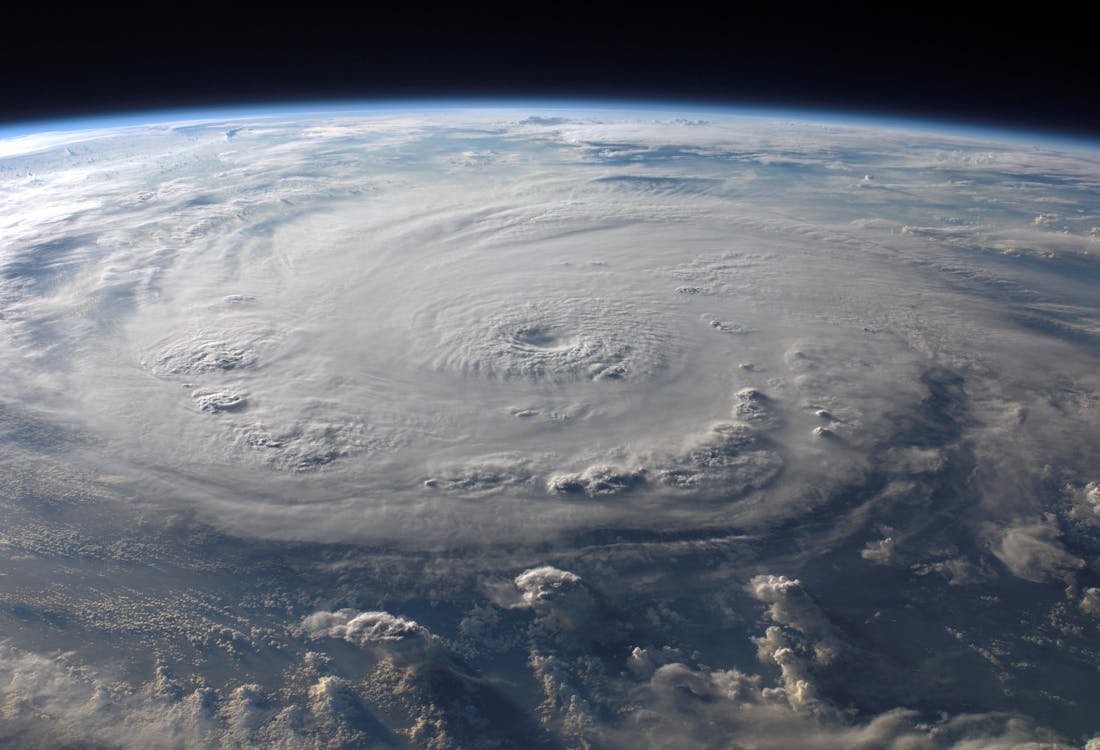
Preparing Financially, Before the Storm Hits... Climate change affects all of us

 "The statistics are striking. Over the past 42 years, an annual average of 7.7 weather-related events caused at least $1 billion each in damage to residences, businesses and municipalities, according to an analysis by the National Oceanic and Atmospheric Administration," according to Washington Post writer Tara Barnard.

"Climate shifts are 'supercharging the increasing frequency and intensity of certain types of extreme weather that lead to billion-dollar disasters,' said Adam Smith, the climate scientist who led the NOAA analysis, 'most notably the vulnerability to drought, lengthening wildfire seasons in the Western states and the potential for extremely heavy rainfall becoming more common in the Eastern states.'"

"Assess risks. A variety of online tools can provide a starting point for assessing your home’s risk to earthly hazards.

Risk Factor has created a user-friendly tool that outlines flood, fire and extreme-heat risks (and soon other perils, including wind) for most homes across the country. Plug in an address, and it drills down to the property level, illustrating potential hazards."

I plugged in  my address and found that "This property faces risk from 2 of 3 environmental factors." There is a minimal risk of flood, minor risk of fire, and moderate heat factor risk for my home.  

Hmmm... Heat factor risk: "A heat wave consisting of 3 or more consecutive days where the “feels like” temperature meets or exceeds the local definition of a “hot day” is an increasing possibility as temperatures rise. The “hot day” temperature for this property is 92ºF. 30 years ago, the likelihood of a 3 day or longer heat wave affecting this property was 17%." I can attest to the increase in hot days after living in the same house for 30 years. Surrounded by trees we used to get by without air conditioning but no more as the temps flirt with 100 degrees far more than in the past. and the prospects for the future are for grim, hot summers. 

Risk Factor (https://riskfactor.com/) is a fascinating tool with lots of information about your own home to help you prepare for a hotter future with more climate-related natural disasters. Check it out!

"The United States Geological Survey has hazard maps for earthquakes, while the Federal Emergency Management Agency and the National Flood Insurance Program maintain flood maps (which also determine whether a home with a federally backed mortgage is required to have flood insurance). The flood program has recently overhauled its rating methodology, called Risk Rating 2.0, but you’ll have to contact a flood insurance agent who can share more about your property’s unique risk, said Jeremy Edwards, a FEMA spokesman."

"Mitigate potential damage. Once you have a better idea of the risks, there may be things you can do to minimize damage if a flood or fire strike. The costs of mitigation will vary, but it may reduce your insurance premiums."

"Evaluate insurance needs. The insurance market varies greatly by locality and the hazards inherent to the area. Standard homeowners’ and renters’ insurance policies do not cover all hazards. Floods and earthquakes always require separate coverage."

Free Flood Road photo and picture


December 18, 2018

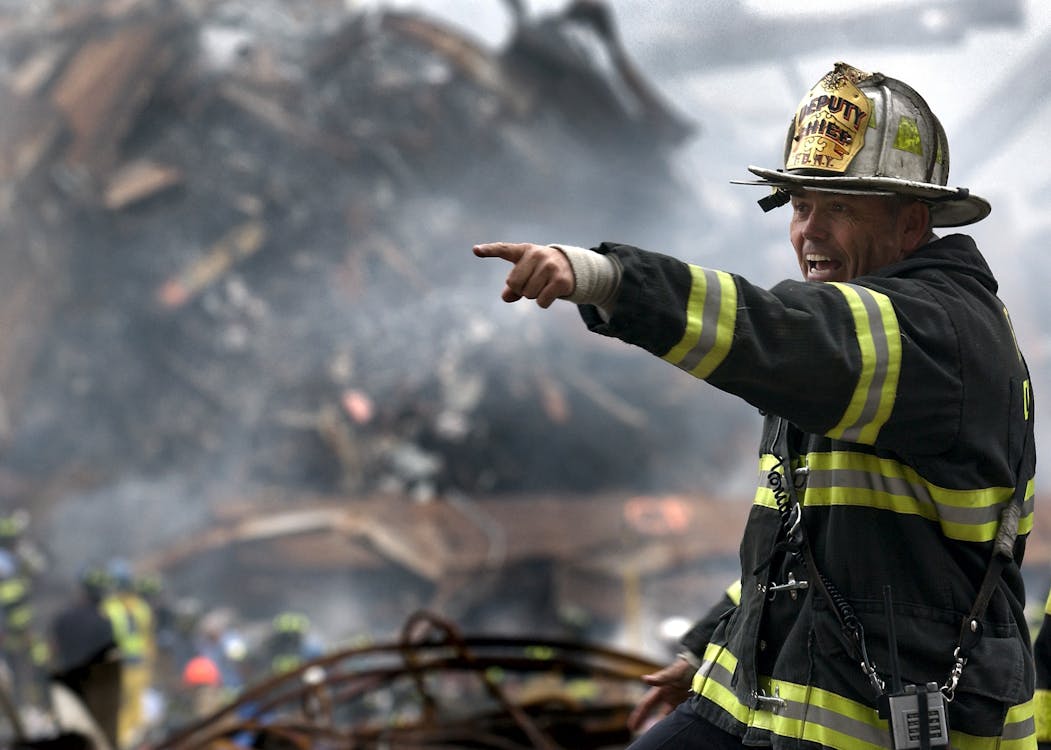
What you need to know about dealing with disasters

"We all hope disaster won’t strike, but statistics show that most U.S. residents live in areas at risk for floods, earthquakes, hurricanes or other natural disasters. While you might not be able to avoid a disaster, you can reduce your financial risk by taking steps to insure yourself properly and by understanding how FEMA assistance can help, and where it could fall short."

"Consumer Action’s new Disaster Coverage educational module helps prepare homeowners and renters for the possibility that their home and possessions could be damaged or destroyed and that they could be displaced if their home becomes inhabitable."

In Homeowners and Renters Insurance: What you need to know before and after a natural disaster, readers learn which disaster losses are—and are not—covered under a standard homeowners or renters insurance policy, how to make sure they are adequately insured, what steps to take to recover their losses after disaster strikes, and what their options are if their insurance falls short.
https://www.consumer-action.org/modules/articles/disaster_insurance

In FEMA Spells Disaster Relief for Homeowners and Renters, readers learn about the types of FEMA assistance available, program eligibility and the application process. The publication also highlights the limitations of FEMA assistance and stresses the importance of purchasing adequate personal insurance coverage.
https://www.consumer-action.org/modules/articles/fema_assistance

"Consumer Action empowers low- and moderate-income and limited-English-speaking consumers nationwide to financially prosper through education and advocacy."
 
For more information about Consumer Action email info@consumer-action.org or call 800-999-7981.

September 18, 2018

Cybercriminals target disaster victims

Due to climate change,  more Americans are experiencing extreme natural disasters. Ken Tysiac explains how cybercriminals are targeting these victims.
"Disaster victims, volunteers, and donors are likely to be interacting with unfamiliar people and organizations such as government entities, insurance companies, and not-for-profits, which cybercriminals may attempt to impersonate in 'phishing' attacks."
"Cybercriminals pretend to be reputable and legitimate sources as they contact victims or volunteers through emails, text messages, or phone calls in an effort to acquire personal information such as credit card and Social Security numbers."
"Cybercriminals may pose as charities following a natural disaster, pretending to solicit on behalf of victims in order to obtain credit card or bank account information." Stick to well-known national charities for your donations such as the Red Cross. Double check the charity and don't give cash.
Get the full details at:
https://www.journalofaccountancy.com/news/2018/sep/cyber-criminals-prey-on-natural-disaster-victims-201819720.html?utm_source=mnl:cpald&utm_medium=email&utm_campaign=17Sep2018

Financial Emergency Kit


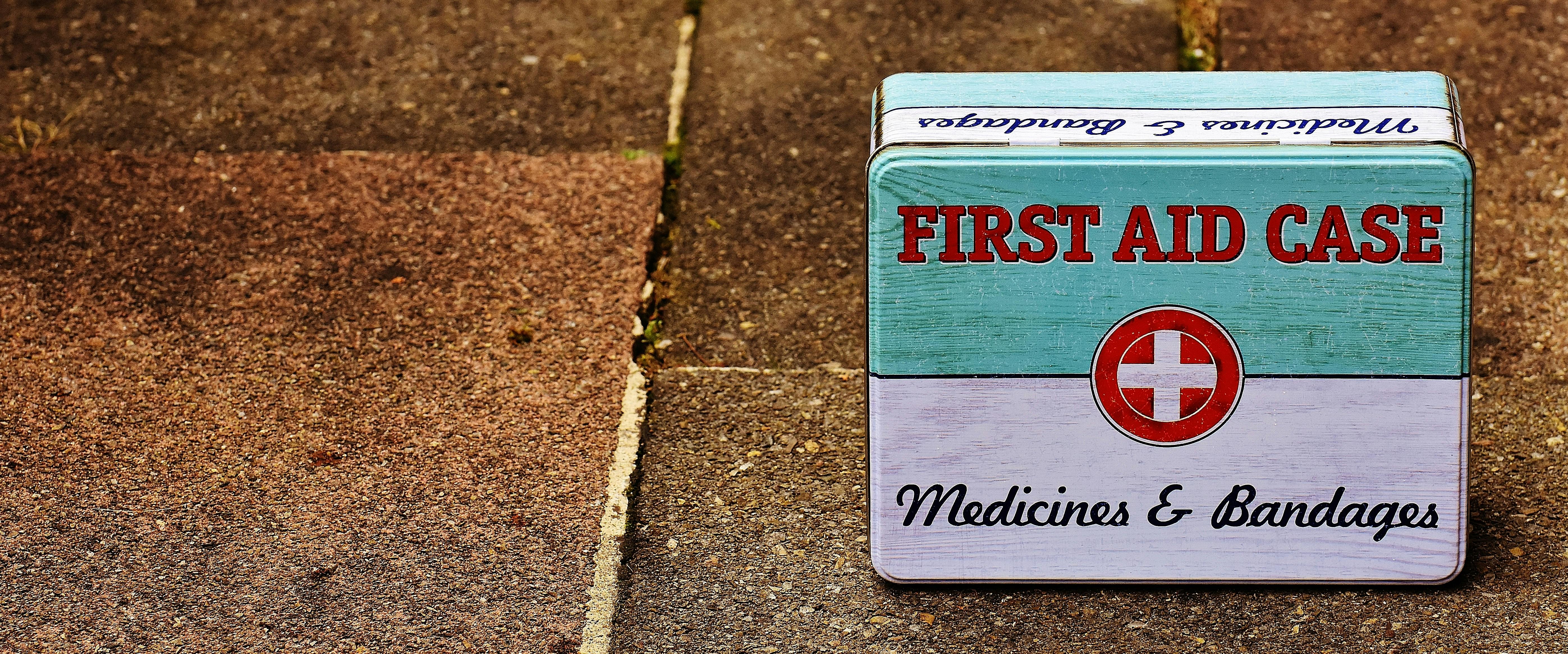
Whether a hurricane, flood, earthquake or wildfire, we all need a financial emergency kit. FINRA provides detailed information on how to compile a financial emergency kit and what you need to put in it. Here is a summary. For details, check: http://www.finra.org/investors/highlights/hurricanes-lock-down-your-financial-emergency-kit?utm_source=MM&utm_medium=email&utm_campaign=S%5FAI%5F091818%5FFINAL

Kit Essentials


1. Cash and keys. Your kit should contain enough cash for daily life for a few days.
Tip: You can put a credit card in your kit for good measure, but don't depend on it.
2. Contacts. Create a list with telephone numbers, emails or other contact information that includes family members, as well as key medical, financial and business contacts.
3. Personal identification. After a disaster strikes, you may have to confirm your identity to obtain disaster relief services, file insurance claims, or get access to your property and financial assets.
Tip: Check your financial account information periodically to ensure that your financial professional will be able to contact you in case of a disaster.
4. Paper or electronic copies of important financial records. mortgages, property deeds, legal documents such as a Power of Attorney and insurance policies. financial statements for bank accounts, credit cards, brokerage accounts and statements related to investment.
Tip: Get information about how to keep your tax records safe from the IRS's helpful resource Prepare for Hurricanes, Natural Disasters by Safeguarding Tax Records.
5. An inventory of your valuables and personal belongings.
Tip: Understand what your insurance covers and what will be required to make a claim in the event disaster strikes.

Do it today! Don't forget passwords to access online account!

August 5, 2018

Is your home adequately insured?

With all the fires raging in the west and memories of floods last year, we are reminded that global climate change is disrupting our patterns of weather. While many people have said that extreme weather that we've experienced is "the new normal," experts say that what we've experienced so far is only the beginning. If you aren't already demanding that our politicians at all levels, acknowledge and address climate disruption, you should be.
In order to protect your property you need to assess the risks from fire and flood (earthquakes are another risk in Utah that are addressed in other blog posts). Having recently spent a week in N. California helping a friend clean up from the aftermath of the Tubbs fire that killed 44 people and destroyed the house her grandparents built, I saw tons (literally) of dry vegetation waiting to turn into disaster. Just a week later, the area where we hiked in Lake County was obliterated by fire, along with many homes lining the road to our hike.
The August 4/5 Wall Street Journal features an article by Leslie Schism & Nicole Friedman: "Learn what your insurance covers before disaster hits." I can't provide a link since you need to be a subscriber, but will summarize:
1. Read your policy! It's important to know what is excluded, like flooding. Flooding is a real danger in Utah, even if you aren't near a stream or river, especially if you are near a hillside that burned in past few years.
2. Live in or near a flood zone? Buy a flood policy through your insurance company or the National Flood Insurance Program.  https://www.fema.gov/national-flood-insurance-program
3. Check out: https://www.floodsmart.gov/
4. Know the maximum your policy will pay. Repair and rebuilding costs spike after a disaster.
5. Increase your coverage after a major improvement.
6. Inventory your possessions and store this info outside your home.
7. Take action to reduce damage & avoid claims: clear defensible space around your property. Can you reduce the potential for flooding with landscaping? What's in your basement and what will you lose if its flooded?


November 30, 2017

Financial Emergency Kit

The disasters related to our changing climate (hurricanes, floods, wildfires) are a reminder of the need for a financial
emergency kit. FINRA provides a detailed list of what to include:


1. Cash and keys. Cash is king in most emergencies since you may not be able to access ATMs or other electronic forms of payment. Also pack a set of essential keys (including a spare to a safe deposit box, if you have one). Tip: You can put a credit card in your kit for good measure, but don't depend on it.
2. Contacts. telephone numbers, emails or other contact information for family members, and medical, financial and business contacts. Store electronically & have a paper copy in your kit.
3. Personal identification. You may have to confirm your identity to obtain disaster relief services, file insurance claims, or get access to your property and financial assets. Include copies of passports, driver's licenses, Medicare and Social Security cards.
4. Paper or electronic copies of important financial records. A short list of financial documents to put in your kit includes mortgages, property deeds, legal documents such as a Power of Attorney and insurance policies. Also include recent financial statements for bank accounts, credit cards, brokerage accounts and statements related to investments that might be held outside a brokerage firm. A password-protected flash drive or file might be safer (and lighter) than hard copies—as long as you have a way to access the files.
5. An inventory of your valuables and personal belongings. This will help you maximize the benefit from your insurance policies and will expedite the claims process. Tip: Understand what your insurance covers and what will be required to make a claim in the event disaster strikes.


Get the details at: http://www.finra.org/investors/highlights/disaster-planning-5-things-financial-emergency-kit?utm_source=MM&utm_medium=email&utm_campaign=AI%5F090517%5FFINAL

September 22, 2017

Are you ready for a disaster?

The Consumer Financial Protection Bureau (under attack from Congressional Republicans) is a terrific resource and consumer watchdog. Check out their resources:

Featured topic: Disaster Preparedness and Recovery
When a catastrophe like Hurricane Harvey or Hurricane Irma happens, people's lives can be turned upside down. During these tough times, it may be difficult to know who to trust and where to look for guidance and assistance, as well as what financial steps to take.  Even if your area isn’t affected this time, you may want to help the people you serve to prepare for upcoming catastrophes or just for their peace of mind.  Here are some tools and resources that can help.

1.      Disaster Recovery Resources 
These are a few organizations that can help immediately after a natural disaster:
After the most urgent needs are addressed, people can start thinking about financial obligations and issues, especially if they have experienced damage to their home or property. We have five steps people can take to help secure their home and finances:

·         Contact your insurance company
·         Register for assistance with  www.DisasterAssistance.gov
·         Contact  your mortgage servicer
·         Contact your credit card companies and other lenders
·         Contact your utility companies

To get more details on these tips and other actions people can take to recover from disasters, go to our blog on disaster recovery.
The CFPB has a Disaster Checklist to help consumers consolidate the information needed —including account numbers, personal records and financial record— to avoid problems and recover faster after a disaster.

4.  Scams and identity theft

While many people pull together during times of crisis, there is also an increased risk for scams and fraud. The CFPB has tips to avoid scams after a disaster that you can explore here.

5. Upcoming Webinar

Disaster Preparedness and Recovery
Thursday, September 28, 2017
2:00-3:00 pm (Eastern Time)
Join us for a webinar to learn about disaster preparedness from a financial standpoint. On this webinar, we will discuss tools and resources available from the CFPB and other federal agencies to help consumers prepare for and cope with the financial aspects of disasters. 

Step 1:  To join the September 28th webinar, please go to the following link at the time of the webinar:
(Note that this webinar link will not be live until the day of the webinar).

Step 2:  Listen to the audio by dialing 888-795-5920 and entering participant passcode 4791947.
(Note:  you must dial in via the conference line.  There is no audio available via Webex.)

September 11, 2017

Disaster Planning: 5 Essentials for your Financial Emergency Kit

With wildfires in the northwest, Hurricanes Harvey and Irma causing so much destruction, it's a reminder to prepare for disaster... earthquake, tornado or ???
"It's tempting to put off until tomorrow some of the important decisions about what happens to your retirement assets when you die. But it pays to plan ahead, especially for accounts that aren't transferred by will or trust. Start here: Make sure there are designated beneficiaries for any retirement savings plans and pensions you own or may be entitled to."
1. Cash and keys
2. Contacts
3. Personal Identification
4. paper or electronic copies of personal financial records
5. An inventory of your valuables and personal belongings.
Get the details at: 
http://www.finra.org/investors/highlights/disaster-planning-5-things-financial-emergency-kit?utm_source=MM&utm_medium=email&utm_campaign=AI%5F090517%5FFINAL 

Financial Planning for Women does not sell, rent, loan, lease or otherwise provide any personal information collected at our site to any third parties.