Showing posts with label climate. Show all posts

August 16, 2023

Maui Wildfires: What would you do if you had toquickly flee your home?

"If you had to quickly flee your home and had just enough time to grab some important things, could you put your hands on vital financial documents? 

Climate change has put many people in the path of major natural disasters. Fires, floods, hurricanes and wind storms are devastating communities. The disaster in Hawaii is just the latest reminder to get our financial houses in order." 

Read:

How to protect your financial life from wildfires, extreme weather

By Michelle Singletary

https://www.washingtonpost.com/business/2023/08/11/protect-financial-life-extreme-weather/?template-name=%7B%7Bletter.config.name%7D%7D&utm_campaign=wp_personal_finance&utm_medium=email&utm_source=newsletter&wpisrc=nl_finance

As of mid-August 2023, "there had been 15 confirmed weather/climate disaster events in the United States this year with losses exceeding $1 billion each, according to the National Centers for Environmental Information. Damage from 2022 disasters totaled $165.1 billion."

"Get a safe that’s waterproof, fire-resistant and light enough to carry. Keep all your household’s important financial documents in this box, including your passport; insurance policies; extra checks; a copy of your driver’s license; your Social Security card (or at least write down the number); bank, investment and credit card account numbers; and key legal documents such as wills, marriage and birth certificates, and the titles to your home and vehicles." 

I keep these items in a credit union safe deposit box. Not sure what would be left if fire is as intense as the Maui fires. I read that one Maui couple kept thousands of dollars in a safe that was left behind. All that was left was ashes.

You should include some cash because ATMs may not be available or may not work.

"In addition to keeping your paperwork in a safe, make photocopies of your documents and place them in a safe-deposit box or give them to a trusted relative or friend who does not live in the same area you do."

"You can also back up your data to cloud-based services such as Google Drive or Apple’s iCloud. Be sure to consistently back up your data to the cloud."

"With your smartphone, take pictures of your big-screen televisions, computers, furniture, heirlooms, etc. You want proof of the expensive stuff you own."

"record a video of the items in your home. Record model and serial numbers. Then, of course, download it for safekeeping in the event you have to prove to an insurance company what items you lost in a disaster."Do this today.

Do you have sufficient insurance?

Call your insurance agent. Will your policy replace the full value of your possessions?

If you are at risk of flooding, check my blog posts on flood insurance. Keep in mind that many Americans live in areas subject to flood but NOT on federal flood maps. See blog posts on flooding. 

Earthquakes are NOT covered by HO insurance. See blog posts on earthquake insurance. 

The fastest-growing American cities are also some of the places with the worst climate-change effects

Finally,What are YOU doing to urge your members of congress to address the causes behind our changing climate. Check out the Citizens Climate Lobby: https://citizensclimatelobby.org/


January 20, 2023

Quiz: What’s the Best Way to Shrink Your Carbon Footprint?

 Quiz: What’s the Best Way to Shrink Your Carbon Footprint?

By Sander van der Linden

“Lists of ways to reduce your personal greenhouse gas emissions are plentiful online, with recommendations ranging from using energy-saving light bulbs to not having children. The number of options can feel overwhelming, and there’s another problem: Researchers have found that people often adopt habits that may seem significant but actually have a very small effect on limiting climate change.”

Many people have misconceptions about what the most effective habits might be, due to disinformation, savvy marketing, and something called the “illusory truth” effect.

I’ve been studying how people think and feel about climate change for over a decade. During that time, I’ve found that while the public’s understanding that climate change is happening has increased, practical knowledge about what we can do to counter it is lacking. To demonstrate how far we have to go, I worked with Times Opinion and Ipsos to test about 1,000 Americans’ ability to size up various ways to reduce greenhouse gas emissions. Take the quiz to see how you stack up. https://www.nytimes.com/interactive/2022/12/15/opinion/how-reduce-carbon-footprint-climate-change.html

illustrated icon for carbon footprint factsheet

December 14, 2022

Considering Buying Property in the U.S? Want to know the fire, flood, and heat risks of your current home or vacation property?

Thinking about relocating? Seeking a new location for retirement? Buying a vacation home? Want to know the risks you face in your current location?  

Our changing climate is causing more properties to be at risk of fire, flood, or extreme heat. Risks are increasing across the U.S. The information at this website can help you make a wise decision about investing in a property and show you projections of the increasing future risks. Beyond the potential financial risks, your life and health are affected by where you live.

Find your home's environmental risks from flooding, wildfire or extreme heat. See historic events, current risks, and future projections based on peer-reviewed research from the world's leading climate modelers.

Check out the Risk Factor for a specific address, zip code, city or county at: https://firststreet.org/risk-factor/

A property’s Flood Factor, Fire Factor, and Heat Factor indicate its comprehensive risk from flooding, wildfire, or extreme heat ranging from 1 (minimal) to 10 (extreme).

Risk Factor is a free tool created by the nonprofit First Street Foundation to make it easy to understand risks from a changing environment. Learn more about Risk Factor.

Free Sigonella Sicily photo and picture 


November 24, 2022

Planning to move to a disaster-prone dream locale?

 A small but growing number of people are taking climate change into account when choosing where to live. Armed with climate studies, movers can identify locations that are less likely to experience extreme weather events, such as wildfires, drought and flooding. 

Because they are older, retirees are particularly at risk during climate-induced disasters.

"Extreme weather can be particularly dangerous, and even deadly, for the elderly, who are more likely to have chronic medical conditions and disabilities, according to numerous studies."

"Three-quarters of residents who died in the 2018 Camp fire, which destroyed the Northern California community of Paradise, were 65 and older. Well over half of the record-high 323 people who died from heat-related causes in Arizona’s Maricopa County in 2020 were at least 50. And two-thirds of the people who died in Florida during Hurricane Ian in September were 60 and older."

Resources are available to assess the climate risk of your current home or places you are considering moving to for work or retirement.

The National Oceanic and Atmospheric Administration’s Climate.gov provides data on floods, wildfires, drought, wind, disease and other climate hazards.

Current and prospective buyers can check out specific properties. "Risk Factor provides data on anticipated wildfire, flooding and extreme heat risks for 145 million properties in the United States over the next 30 years."

"Each property is ranked for each type of risk on a scale from 1 (minimal) to 10 (extreme). The online tool provides a percentage likelihood of the risk occurring over time — for example, that floodwaters could reach your house in the next five or 10 years or that the community could experience a certain number of 100-degree days. (ClimateCheck also provides property-specific risk data on heat, drought, fire, flood and storm.)"

Some real estate agencies provide climate risk projections.  First Street Foundation, the nonprofit that developed Risk Factor,is useful to current homeowners as well as prospective buyers. Once you know your current risk you can take action to minimize the risk from climate-related disasters. 

Buyers who choose to move to a risky area should first explore the costs of hurricane windows, flame-resistant roofs, energy-efficient air-conditioning, home elevation and repairs from wind damage or flooding.

Before buying, "ask several insurance companies about the cost and availability of homeowners’ coverage. Premiums are rising considerably in communities prone to wildfires, hurricanes or flooding, and many insurers are not renewing policies, limiting coverage or pulling out of high-risk markets."

Source:‘Do You Really Want to Rebuild at 80?’ Rethinking Where to Retire.


November 23, 2022

Why are Property Insurance Rates Increasing Faster than Inflation?

 Climate-related disasters cost all of us, even when we are not directly affected.

"The National Oceanic and Atmospheric Administration tracks weather-related disasters in the U.S. that cause more than a billion dollars’ worth of damage. According to NOAA:

In the 1980s, the U.S. saw an average of 3 such disasters per year. 

In the 1990s, the average was 5 per year;

In the 20002, it was 6; 

In the 2010s it jumped to 12. (The $ amounts are been adjusted for inflation.) 

In 2020, a record-shattering 22 disasters costing more than a billion dollars struck the country. 

In 2022 we are on pace to match that record, with 15 such disasters by October, including Hurricane Ian, which is likely to prove one of the most expensive storms in American history. 

Adam B. Smith, a NOAA researcher, has written that a disastrous number of disasters “is becoming the new normal.” The rise is partly a function of more people living in vulnerable areas, such as floodplains. But increasingly it’s a function of climate change."

"In the future, the costs may climb steeply or they may climb precipitously. All our infrastructure has been built with the climate of the past in mind. Much of it will have to be rebuilt and then, as the world continues to warm, rebuilt again."

Comment: Now is NOT a good time to buy South Florida real estate... or coastal property anywhere. Climate change/disruption is here now; not sometime in the future. And it is costing all of us in the form of higher property insurance rates (even if we live far from these disasters because insurance companies spread the costs) and because our state and federal taxes help alleviate the damage once it occurs. The tax dollars spent on disasters could provide other services to Americans.

Data source: The New Yorker, Climate Change form A to Z, by Elizabeth Kolbert

March 8, 2022

Six Key Lifestyle Changes Can Help Avert the Climate Crisis

 Less Stuff, More Joy! “Take the Jump”

Six Key Lifestyle Changes Can Help Avert the Climate Crisis

In February the Intergovernmental Panel on Climate Change (IPCC) issued its “bleakest warning yet,” saying the climate crisis was accelerating rapidly with only a narrow chance left of avoiding its worst ravages. But don’t give up hope.

Governments and individuals making small changes can have a huge impact in reducing carbon emissions. These six steps could cut global emissions by between 25% and 27%:

1.      Eat a largely plant-based diet, with healthy portions and no waste

2.      Buy no more than three new items of clothing per year

3.      Keep electrical products for at least seven years

4.      Take no more than one short haul flight every three years and one long haul flight every eight years

5.      Get rid of personal motor vehicles if you can – and if not keep hold of your existing vehicle for longer (or go electric)

6.      Make at least one life shift to nudge the system, like moving to a green energy, insulating your home or changing pension supplier

‘Taking The JUMP’ is to try the shifts mentioned above for 1, 3 or 6 months. Even if you can’t keep to it 100%, you can still ‘take The JUMP’ and just do what you can.

We'll offer tips, encouragement and people you can speak to help along the way. Check out: https://takethejump.org/ 

Free Pxclimateaction Climate Change photo and picture 

February 3, 2020

Effortless Environmentalism: Some easy ways to live more gently oon the earth

"If 2019 is truly “the year we woke up to climate change,” then 2020 should be the year we start actually doing something about it. Because we are very nearly out of time."
Effortless Environmentalism


by Margaret Renki for The New York Times

"Think of these suggestions as baby steps on the path toward a growing commitment to change."

"Vote. The climate crisis is the one issue that matters most in this election, and not just because the survival of the human race depends on it."

"Reframe your relationship with bugs. Insects are the bread and butter of the natural world, but they are dying out. Think of your yard as ground zero of the entire local food chain." 

"Cultivate a glorious mess. Nature isn’t supposed to be tidy, and its messiness is purposeful. Fallen leaves fertilize the trees they fell from and simultaneously provide habitat for a whole host of insects, amphibians and reptiles."
KILL your leaf blower which is an environmental disaster due to noise and air pollution!

"Eat better. Agriculture accounts for about a third of greenhouse gas emissions, primarily through deforestation, the use of petrochemical fertilizers and methane production by livestock. To mitigate its effects, eat less meat and fewer dairy products."

"Shop your closet. In addition to its manifold human costs, “fast fashion” — cheap clothing designed to be temporary in the age of Instagram — is a significant cause of environmental degradation."

"Put your money where your values are. Support a fierce environmental nonprofit through automatic monthly drafts" 

"Pay for your sins. Avoiding air travel is one easy way to lower your carbon footprint significantly, but you can also buy carbon offsets for the flights you can’t avoid."

"Lighten up on the plastic. It’s almost impossible to avoid single-use plastics altogether, but a one-time investment in reusable versions of your most frequent purchases can reduce your dependence on them."

"Don’t hold yourself to an unrealistic standard of purity. Just as it’s O.K. to eat the birthday cake, it’s O.K. not to be a perfect steward of the earth."

Read the details: 
 https://www.nytimes.com/2020/01/13/opinion/earth-environmentalism.html?smid=nytcore-ios-share

February 2, 2020

How to make Climate Change Donations Count

"You bring your canvas bags to the grocery store. You walk to work. You’ve cut back on the hamburgers (and the cheese plates, too). But you want to do more to fight climate change. Specifically, you want to do more with your money."

"You could purchase carbon offsets. Or, you could support politicians who believe in climate change. Or, you could just donate to your favorite green nonprofit. But what makes the most sense?"

"Rachel Cleetus, an economist and policy director at the Union of Concerned Scientists, said she would first funnel her money toward politicians — both local and national — who would most likely be proactive when it comes to the climate."  

Purchasing carbon offsets aren’t “changing the system as quickly as we need the system to change.”

I was surprised at the very small $ amounts to purchase carbon offsets for flying, one of the worst things we do to our planet. Since I first learned about the negative aspects of flying, I've bought carbon offsets each time I or my husband flies but the amount seems so puny that I've made an additional donation.

If you want to support non-profit organizations: 

The Founders Pledge recommends the Coalition for Rainforest Nations and the Clean Air Task Force as the most cost-effective non-profit organizations. The report cited the groups’ past successes in fighting global deforestation and supporting clean energy innovation.

Info from The New York Times Climate Forward newsletter

October 27, 2019

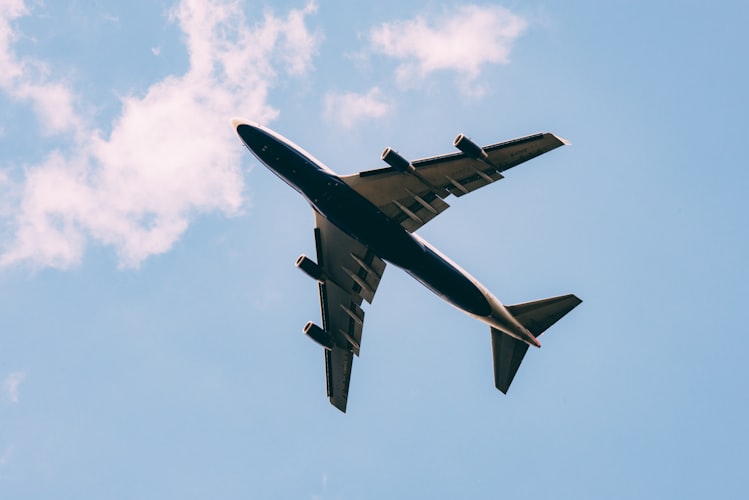
Flying is bad for the planet: What can you do besides fly less?

Flying is one of the worst contributors to climate change. Yet Americans are flying more than ever. Granted that some flights are deemed necessary by the passenger... We recently flew from Salt Lake to Baltimore to attend my father in law's funeral which attracted family members who flew from Chicago, St. Louis, Savannah and SLC.

Greta Thunberg is a 16 year old internationally known Swedish climate activist who recently sailed to the U.S. for a climate conference rather than fly. Check out her TED Talk: https://www.ted.com/speakers/greta_thunberg
https://www.theguardian.com/environment/2019/jul/29/greta-thunberg-to-sail-across-atlantic-for-un-climate-summits

For a small fee you can buy carbon offsets to mitigate the impact of the climate change causing emissions. If you fly Delta or United go directly to the links below. Not sure why American Airlines has no carbon offset program. Time to boycott AA? If you are flying a different airline you can still get info the approximate impact and cost at Delta or United. The money does NOT go to the airlines but to organizations such as The Nature Conservancy that typically use the funds to plant trees or other activities to fight climate change.

October 23, 2019

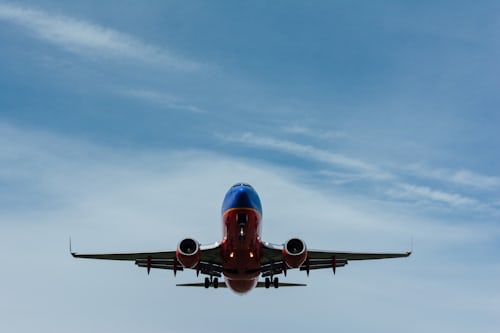
Flying is really bad for the environment and climate

" The Swedes call it “flygskam,” or “flying shame,” the movement that encourages people to stop taking flights to lower their carbon footprints.

But should most Americans really be ashamed of getting on a plane to see grandma this holiday season?

The short answer: Probably not. If your flights are purely a luxury, though, that’s another matter.

A small group of frequent fliers, 12 percent of Americans who make more than six round trips by air a year, are responsible for two-thirds of all air travel and, by extension, two-thirds of aviation emissions, according to a new analysis by the International Council on Clean Transportation, a nonprofit research group.

Each of these travelers, on average, emits more than 3 tons of carbon dioxide per year, a substantial amount, particularly by global standards. And the most frequent fliers, those who take more than 9 round trips per year, emit the highest share." by By Hiroko Tabuchi and Nadja Popovich writing for the New York Times Climate Forward newsletter.

The countries with the highest CO2 emissions from passenger flights in 2018:
U.S: Americans are responsible for 24% of all air travel and thus, 1/4 of all emissions from flying
China is #2 with 13% of all air travel emissions.
Japan is #3 with 3.1%
WOW! Americans are really the most polluting.

"So what’s to be done to curb frequent flying? One idea, floated by a group in Britain called A Free Ride, would tax fliers progressively: Everyone gets one tax-free return flight each year, and a tax kicks in at a low rate from the second flight. Taxes then ratchet up for each additional flight in that year."

And just this month, a Britain-based commission recommended banning air miles and frequent flier programs so that airlines do not “incentivize excessive flying.” The report cites data showing frequent fliers “strongly tend to be wealthier and less price-sensitive,” and recommends they should “incur increasingly powerful taxation to discourage additional flights.”
"Business travel makes up roughly 30 percent of air travel in the United States, according to data from Airlines for America, a trade group representing airlines. But some corporations are starting to question whether all of that travel is really necessary in an age of email, Slack and teleconferencing. In Europe, companies are starting to give extra time off to employees who opt to travel by train or other less-polluting transportation options on vacation."

If you must fly, then buy carbon offsets.
"Consider a trip from New York to Los Angeles. Flying 2,500 miles in economy class will burn about 0.29 metric tons of carbon per passenger, according to the International Civil Aviation Organization’s carbon emissions calculator. And it will cost about $3.26 to offset the approximately six hour, one-way flight using the travel offset calculator by Cool Effect, a nonprofit organization. If you round up to a full ton of carbon, you’d still only spend $3.30 to $13.18 on the Cool Effect website, depending on the project." By Jillian Mock and Hiroko Tabuchi writing for The New York Times Climate Forward Newsletter

Buy offsets (in Euros) at https://flygrn.com/offset-carbon

https://www.delta.com/en_US/about-delta/corporate-responsibility/carbon-emissions-calculator

https://www.united.com/ual/en/us/fly/company/global-citizenship/environment/carbon-offset-program.html

If you airline doesn't offer carbon offsets go to the Delta or United websites to estimate the cost and contribute on their website.

November 21, 2018

Thoughts on Thanksgiving Dinner

PLEASE note the role of wasted food as a contributor to green house gases. Leftovers are good! Don't throw them out!


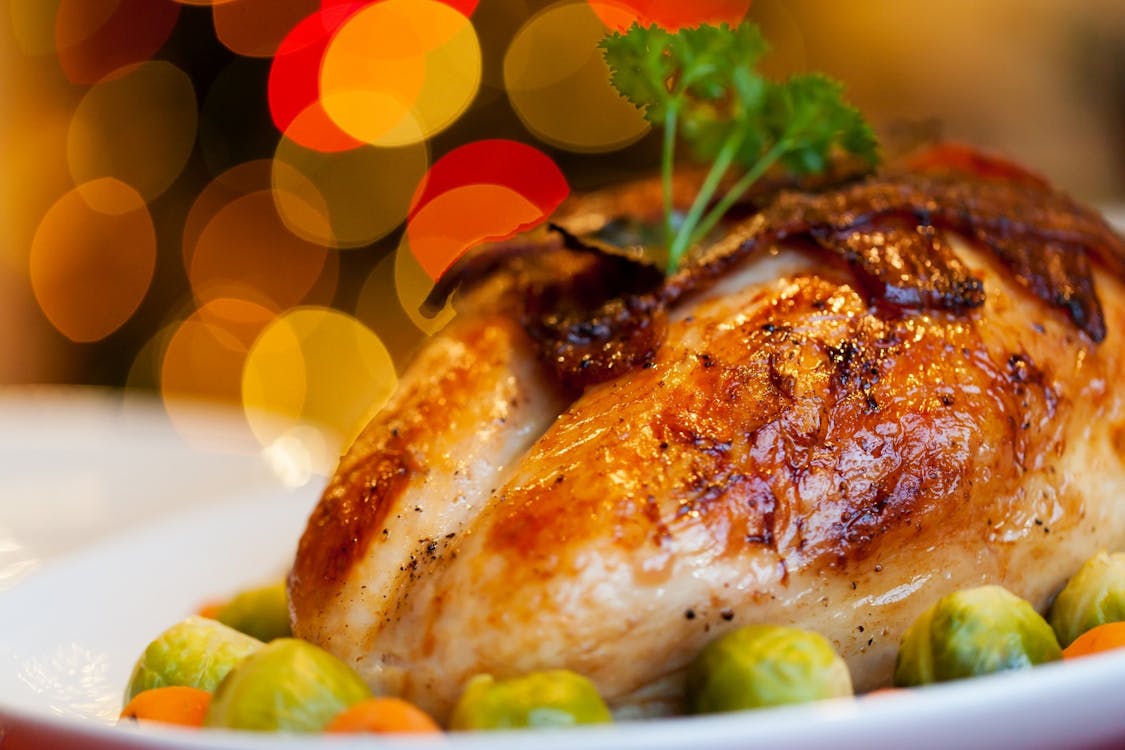
For many Americans, a Thanksgiving without turkey is no Thanksgiving at all. Every year in late November we serve 46 million turkeys, more than on Easter and Christmas combined.
For vegetarians, faux products like Tofurky are common alternatives. But from the perspective of greenhouse gas emissions, do vegan replacements made from soy and wheat beat out their animal counterparts?
Yes, according to David Chen, a master’s student at the Potsdam Institute for Climate Impact Research. When Mr. Chen was an undergraduate at McGill University in Montreal, he assessed the environmental impacts of all the meals at the university’s cafeterias. The results were published in 2016.
The paper didn’t focus on turkey, but it did study chickens, which Mr. Chen called “kind of the ultimate efficient factory-farmed animal.”
This efficiency has to do with a measurement called the feed conversion ratio, which represents how much food you have to give an animal to produce a given quantity of meat. A completely efficient animal would turn one pound of grain into one pound of meat, for a ratio of 1:1.
“The reality right now for chickens is around 1.5,” Mr. Chen said.
For turkeys the ratio is closer to two pounds of fodder per pound of meat, which makes turkeys less efficient than chickens, and the related emissions higher.
Chickens release three to 16 times more greenhouse gas emissions per pound than soy products. So that means a tofu-based alternative could have a far smaller carbon footprint than poultry.
There are some caveats. The study focused on equal weights, comparing, say, a pound of turkey to a pound of soy. But it didn’t take calories into consideration. A pound of turkey has about 862 calories compared to 344 for tofu, so in theory you’d be eating less of the turkey.
And depending on how they’re raised, the carbon footprint of chickens can be on par with that of rice, or tomatoes and peppers raised in greenhouses. It’s also about 2.5 times less than the footprint of cheese.
Chickens also require less water than soy, Mr. Chen said.
Whether you cook an actual turkey, a Tofurky or something different altogether, hold onto your leftovers. According to the Food and Agriculture Organization of the United Nations, if food waste were a country it would be the third-largest emitter of greenhouse gases in the world.
In the United States, about 40 percent of the food that gets wasted is thrown out by consumers, so if you want to enjoy a traditional Thanksgiving with less guilt, eat your leftovers. The New York Times Cooking editors have assembled a few recipes to help you do just that. 

Financial Planning for Women does not sell, rent, loan, lease or otherwise provide any personal information collected at our site to any third parties.